
About four years ago, I decided to take my art out into the world, face-to-face with the general public at a convention with an Artist Alley near me.
The opportunity popped up to reserve an inexpensive Artist’s Alley table and I jumped at the chance. I was excited! The only problem was; I had never done a convention before. I was totally unprepared.
I found very few sources online for artist alley tips, so that’s why I am writing this article.
1. First Things to Consider
- What type of items will you offer?
- What type of display(s) will you need?
- How much room will you have to work with?
- How do you want the public to interact with your art?
- Will you be drawing live at your table?
Take a look at my setup from the May 2022 Trenton Punk Rock Flea Market:

You can see that I have a varied selection of items, they are:
- 11×14 Acrylic Paintings
- 11×14 Art Prints
- 5×7 Art Prints
- Postcards
- Books & Notebooks
- Coffee Mugs
- Pins, Buttons, & Stickers
- Sculptures
- Original Misc. Drawings on Paper
I am a writer, illustrator, and dark artist, so my work may differ from yours, but I think all of these tips will be very helpful to you and your art journey.
When planning to vend at an event, you should also ask yourself:
- What is the target audience and will they be attending this convention or market?
- Are there any current trends you should consider incorporating?
- Are your prices the right fit for the venue?
- Will you have fun and be passionate about your work if you consider the points listed above? If not, I would suggest you follow your heart and do the work you enjoy!
2. How to Display all this Stuff
My first thought was to the large paintings and prints. I knew that I wanted a tall backdrop and some method to hang the art. I also wanted space for a big banner at the top, something to grab people’s attention!
Note: I am listing only items that I personally purchased. Additionally, I will link to other useful services that I have personally employed.
- I found this photographer’s backdrop stand that is very lightweight and adjustable in width and height. It also comes with a carrying case.
- This fabric to drape over the backdrop
- This wire photo hanging system for my paintings and prints – SEE UPDATE BELOW!
- I designed a custom banner and had it printed by UPrinting . com (Let me know if you’re interested in what went into designing the artist alley banner.)
Update: I have found that in certain places, either outdoors or a space with powerful air conditioning this art hanging system can move around a lot. I have replaced the photo hanging system with these 2′ x 6′ Grid Wall Panels . They are much more stable.
My next thought was to the items on the table itself.
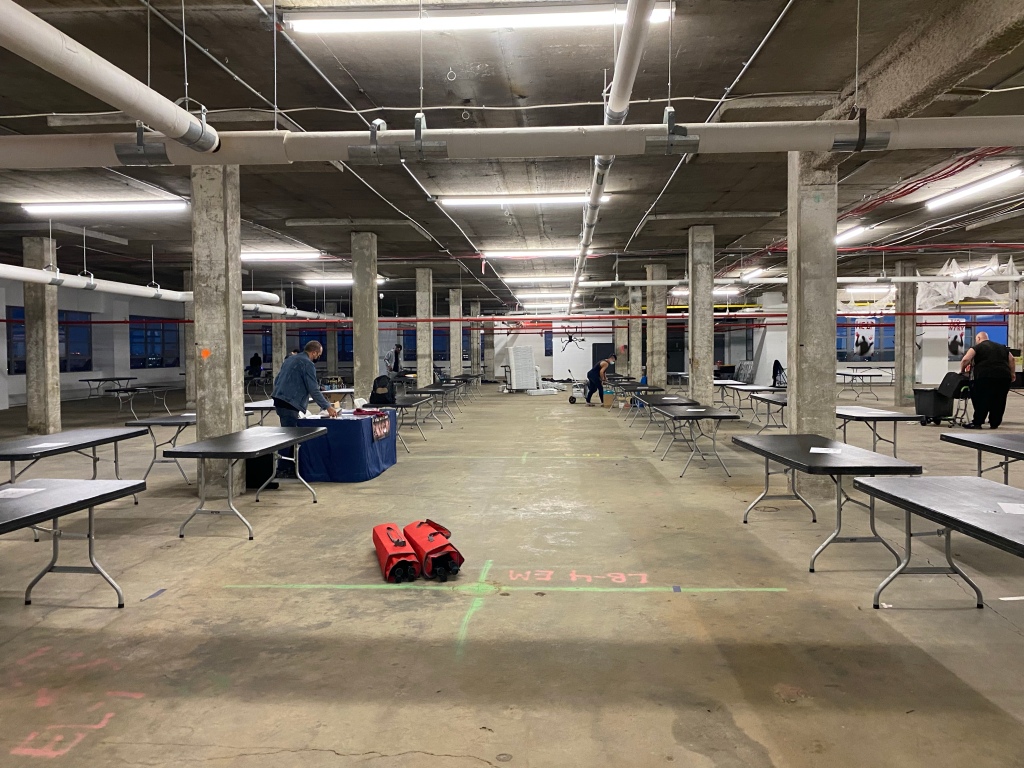
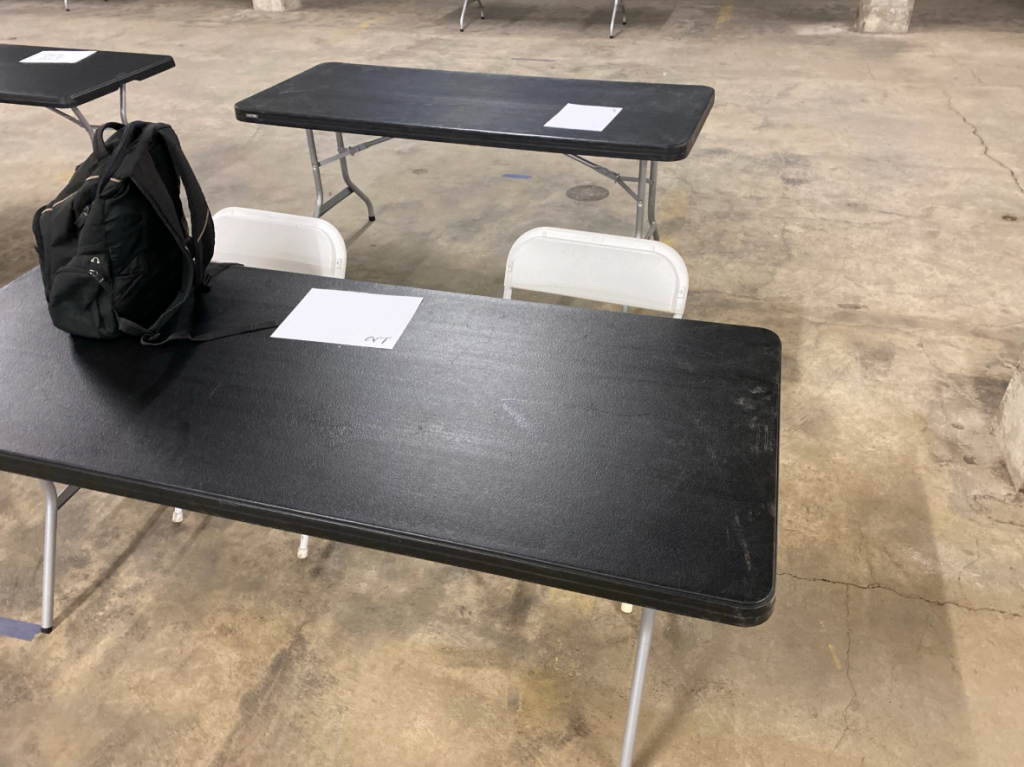
When you arrive you’ll probably find something like this, a bare 2 foot by 6 foot table. You’ll need to jazz up your artist alley displays to make yourself stand apart.
- Tablecloth (Often the venue doesn’t provide)
- Wire Magazine Rack for prints, postcards, books, etc.
- Acrylic Display Shelves, 2-tier and 3-tier.
- Easel for books/art.
- Spinning Clear Acrylic Display Stand for Stickers
- Wooden Display Stand for Enamel Pins with Backing Cards
- Small Plate Holders for small books or cards
3. Packaging the Art


As for the art packaging itself, I wanted the larger prints to be presented in sleeves with backers, and the paintings to be framed. It looks a little more professional, in my opinion.
- 11×14 Sleeves
- 11×14 Backing Board
- 5×7 Sleeves
- 11×14 Frames that fits 11×14 canvas board
With your art framed and bagged, you should consider how to safely transport it. I reused the boxes that the prints and frames came in, just making sure to use extra bubble wrap.
4. Sending your art to a good home
Next question was how will customers take purchased items with them? A lot of times they have a reusable bag already, but just in case, I got myself a supply of various paper bags.
I also wanted to use this opportunity with the bags to add my own branding. I had a custom stamp made with my logo, found an ink pad, and hand stamped each bag. It resulted in a more DIY look, which I really dig.
- 13x7x17 Brown Paper Bags Large
- 8x4x10 Brown Paper Bags Small
- 12×15 Thin Brown Paper Bags for Prints
5. ACCEPTING PAYMENTS & MONEY
One of the most intimidating prospects of this whole art business was the idea of accepting payments from customers. Luckily, technology these days has made it super simple! And I think giving your customers more ways to pay is worth it.
First thing you need is cash to make change. I think you probably don’t want to have too much cash on you, but maybe $100 in 1’s, 5’s, 10’s, and 20’s should be a good start. I purchased a unique/badass fanny pack from Etsy to store all the money. I never let it out of my sight.
Next, having a Venmo and/or Paypal is very useful. Make a printout of each of your account’s QR codes and your usernames to make it easy for customers to scan and pay.
Lastly, you can also accept Credit Card payments via the Square reader. You can receive a free card reader that can be hooked up to your smartphone for use with the Square app. There is a small fee for each transaction.
6. Loading In and Setting Up
With most things in life, I’m usually late. But I try to get to the convention load-in as early as I can. I don’t want to annoy the hosts and I’m less stressed if I can beat the lines of other vendors.
Definitely try to find the FAQ on the event’s website or expect a detailed email with all the instructions on what you need to do for that particular event, the rules and policies, etc.
For load-in I acquired this folding hand truck to cart the two large storage bins that hold all my art and supplies. Depending on the venue, you might need to bring your own chairs and I recommend this lightweight folding camping chair.
It’s probably good to be as organized as possible so that you’re not scrambling like a headless chicken trying to set up before the venue opens its doors. One idea I need to implement is a list of the items in each container, and also how they are arranged (for putting things back later.) This will be especially helpful if you have a lot of different types of items and if you have someone else assisting you.
7. Some more useful items to consider
- A Notebook
- Blank Paper
- Pens/Pencils
- Sharpie Markers
- Scissors
- Duct Tape
- Invisible Tape
Another helpful thing that I still need to get is a small step ladder. Once the backdrop is set at 8 feet high, it’s a little difficult for me to make any adjustments to the banner and picture hanging system.
I’m not an expert on merchandising, but I would think making things stand up vertical would be a good way to allow customers to see them more easily.
I have found however, stacking my books flat on the table, opening one on an easel, and encouraging customers to flip through the books is a good way to go. I also periodically change which pages are displayed, just in case it catches the eye of a repeat passerby.


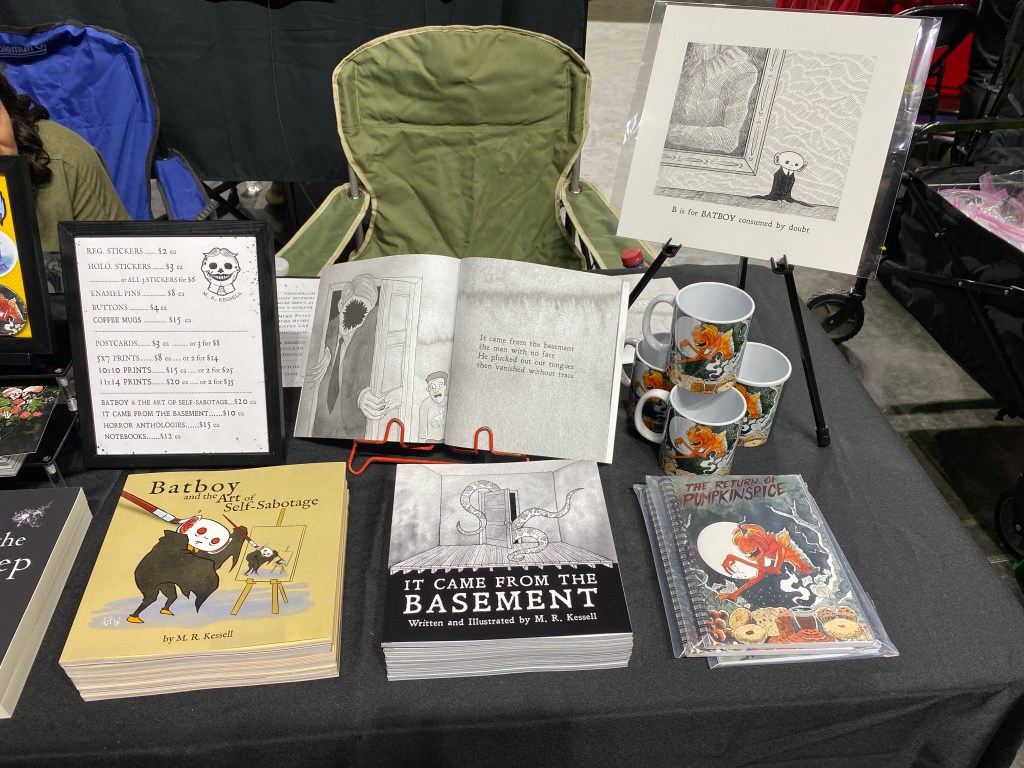
I am still experimenting with what to display in the magazine rack. Lately I have been putting the one-of-a-kind originals along with the 5×7 prints on the rack. It’s still not a great system, when I want people to peruse the originals. Maybe I’ll need to put them in a binder.
Another thing to consider is how you will display your prices. I decided to keep things simple and printed out a price list that I have framed on the table. For big ticket items like paintings, I have individual price stickers.
8. Promote your event
A very important step in all live event these days is promoting them. I would suggest having a social media presence on Instagram, Facebook, YouTube, Blue Sky and TikTok.
Additionally, I would suggest setting up your own personal mailing list (like my mailing list here) in which you can directly send your fans news, updates, and reward them with free stuff!
9. Let the Fun Begin!
Now you have all your items in place and you’re sitting, eagerly awaiting the hordes of customers that will devour your fantastic art. They begin to trickle in. Some might look at you and your table briefly and continue on, some might breeze on by without a glance.
Don’t get discouraged!
Sooner or later someone who is genuinely interested and enthusiastic about your work will show up and you’ll have a nice little chat, maybe make a new connection, a new friend, maybe even make a sale, and BOOM! you’re hooked on this whole thing.
Related:
How to Keep Going with your Art (When No One is Watching)
Some motivation from M. R. Kessell
Some tips for social interactions:
I’m usually a very quiet, shy person, but I always try to smile and say hello to everyone who walks by. Some other Ice Breakers can be:
- “Hey, cool T-shirt!” If someone is wearing an awesome band or movie T-shirt I make sure to let them know I like it!
- “Did you find any cool stuff today?” Asking about what other shops or vendors they visited.
- “Are you from the area?” People love to talk about where they’re from!
- “Are you an Artist too?” I absolutely love meeting other artists and creative people!
I’m not sure everyone wants to talk or even be acknowledged however, so you have to go with the flow. Also you don’t want to overdo it, as if you’re reading from a script. Just try to be natural. Maybe you’ll want to bring a book or an art pad so you have something to occupy yourself in the quiet moments.
I think it might be a good idea to have something free you can give out to the folks who peruse your table and especially for your customers after you make a sale. I have two-sided art postcards that I give away, the back side also has my name and a QR code that will bring people to my website.
If at all possible, try to bring a friend, partner, or spouse with you, it’s always good to have backup when nature calls or you need a lunch break. If not, you might have to rely on your convention neighbors to keep an eye on your stuff while you step away. Keep your badass fanny pack with you at all times!
Another idea, if you want to keep your costs low, split the table fees with another artist friend (if the event allows of course) and you can back each other up the whole day.
So far in my experience, the conventions have opened to the public at 10AM and went until 5PM. One day can be exhausting enough, but sometimes you might have to do it two or three days in a row! So pace yourself, stay hydrated, bring some snacks, and make sure you eat lunch.
In the end try to have fun, make some new friends, and show the world what you do and how passionate you are.
If I can do it, YOU can do it!
I hope this article and these artist alley tips will help you get your art out there. Have you done it already? Leave a comment and let me know how your event went!
Do you have any questions or need further encouragement or coaching? Please send me an email at Contact at mrkessell.com or find me on all the social media platforms @ mrkessell

Stay up to date with my shenanigans and get free comics and exclusive art by signing up for my mailing list here!
Tags: Artist alley guide. Artist alley booths. Convention artist alley. Convention table setup. Artist alley prints.
 M. R. KESSELL